Fibre in Daily Nutrition
Published February 2026
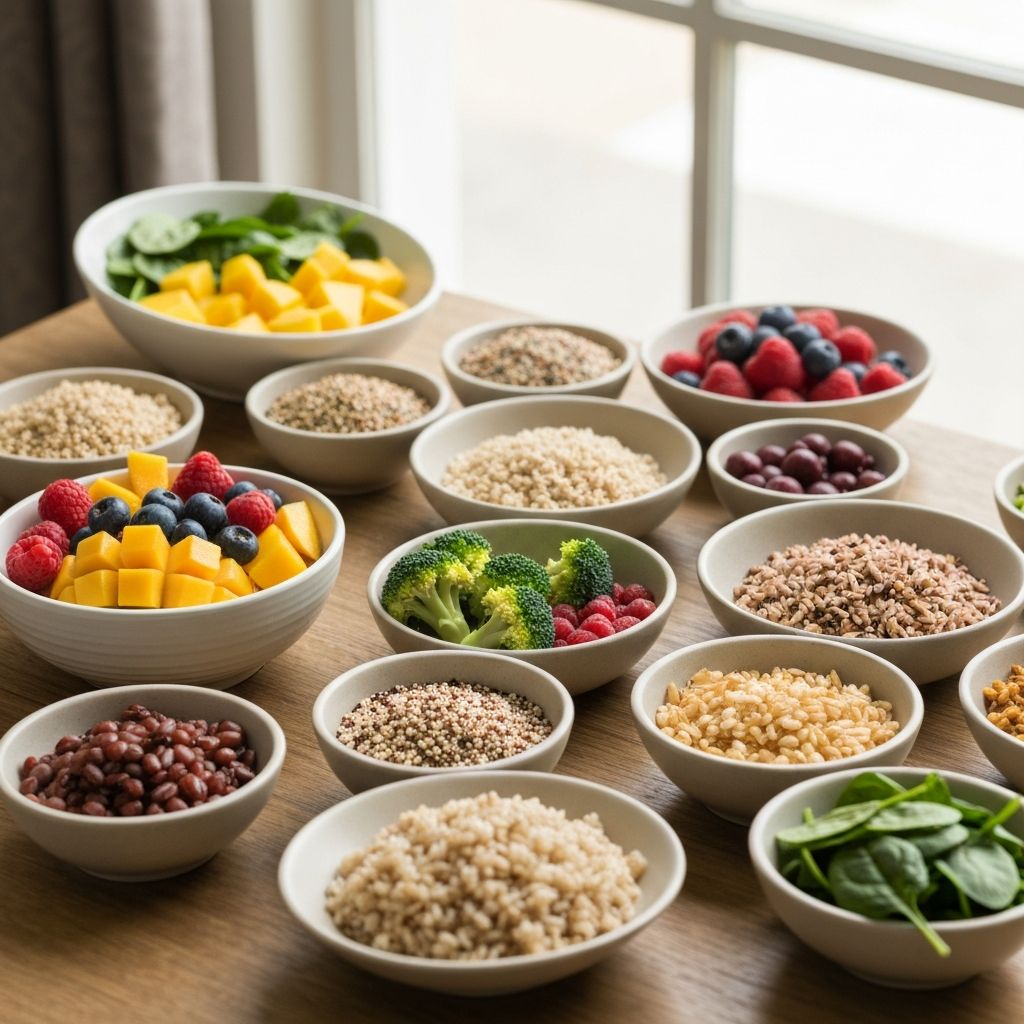
Recognising Fibre in Everyday Foods
Dietary fibre is present in many common foods that people encounter daily. Understanding where fibre appears naturally in foods helps contextualise its role in typical eating patterns. This knowledge is educational and does not prescribe specific dietary choices.
Breakfast Options
Many breakfast foods contain dietary fibre. Whole grain cereals, oatmeal, and whole wheat toast are examples of fibre-containing morning options. Fresh fruit added to breakfast bowls or eaten on the side contributes additional fibre. The fibre content varies depending on the degree of processing and the specific ingredients used.
Refined breakfast options such as white bread or sugary cereals contain less fibre than their whole grain counterparts. The difference lies in the processing methods, which remove the fibre-rich outer layers of grains.
Lunch and Dinner Components
Main meals often include opportunities to encounter fibre-rich foods. Salads with leafy greens and raw vegetables provide both soluble and insoluble fibre. Legume-based dishes such as lentil soups, bean stews, or chickpea curries are substantial sources of dietary fibre.
Whole grain options for rice, pasta, and bread contribute more fibre than refined versions. Side dishes of cooked vegetables add fibre to meals, with the amount varying based on the vegetable type and preparation method.
Examples of Fibre-Containing Meals
A typical meal might include grilled vegetables with brown rice, where both components contribute fibre. A pasta dish made with whole wheat pasta and a vegetable-based sauce provides fibre from multiple sources. A sandwich on whole grain bread with lettuce, tomatoes, and other vegetables includes fibre from both the bread and the vegetables.
Snacks and Small Portions
Snack foods vary widely in their fibre content. Fresh fruits like apples, pears, or berries contain natural fibre. Raw vegetables such as carrot sticks, celery, or bell pepper strips provide fibre between meals. Nuts and seeds offer both fibre and other nutrients in small, dense portions.
Processed snack foods typically contain less fibre than whole food alternatives. The manufacturing process often removes fibre or uses refined ingredients that are naturally lower in fibre.
Fibre Content Varies by Food Processing
The degree of food processing significantly affects fibre content. Whole foods retain their natural fibre, while refined products have reduced amounts. For example, a whole apple with skin contains more fibre than apple juice, which has had the fibre largely removed during processing.
Whole grains include the bran, germ, and endosperm of the grain, all of which contribute to fibre content. Refined grains remove the bran and germ, eliminating most of the fibre. This explains why whole wheat bread contains more fibre than white bread made from refined flour.
Reading Food Labels
In many regions, packaged foods display nutritional information including fibre content per serving. These labels can help identify the amount of fibre in processed and packaged foods. However, fibre content alone does not indicate overall nutritional quality, as foods contain many other components that contribute to nutrition.
Fibre as Part of Whole Foods
Fibre naturally occurs alongside other nutrients in plant foods. A vegetable contains not just fibre but also vitamins, minerals, water, and various plant compounds. Legumes provide fibre along with protein and micronutrients. This combination means that choosing fibre-rich foods often means choosing foods with broader nutritional profiles.
Cultural and Regional Dietary Patterns
Different cultures have varying dietary patterns that naturally include different amounts and types of fibre. Mediterranean diets traditionally include substantial amounts of vegetables, fruits, and whole grains. Asian cuisines often feature rice, vegetables, and legumes in various combinations. These patterns demonstrate different approaches to incorporating plant-based foods.
Individual Variation in Dietary Patterns
People have diverse eating patterns based on preferences, cultural backgrounds, economic factors, and availability of foods. The amount and type of fibre consumed varies accordingly. Some dietary patterns naturally include more fibre-rich foods, while others rely more heavily on refined or processed options.
Individual responses to fibre intake also vary. Factors such as gut microbiome composition, digestive health, hydration, physical activity, and overall diet composition influence how fibre affects each person. What works well for one individual may differ for another.
Practical Context, Not Prescription
This information describes where fibre appears in common foods and how it fits into various meal patterns. It is provided for educational understanding, not as a recommendation to change eating habits. Personal dietary choices depend on individual circumstances, preferences, and needs that this general information cannot address.
Nutritional needs are highly individual and influenced by factors including age, activity level, health status, and personal goals. Educational information about fibre is one small piece of a much larger nutritional picture.
Educational Information Only
This article provides educational information about how fibre appears in daily nutrition contexts. It does not constitute personal nutrition advice, dietary recommendations, or medical guidance. Individual dietary needs vary significantly based on numerous personal factors. This content explains concepts and provides context but does not recommend specific eating patterns or amounts. Personal dietary decisions should be made in consultation with qualified professionals who can assess individual circumstances.